
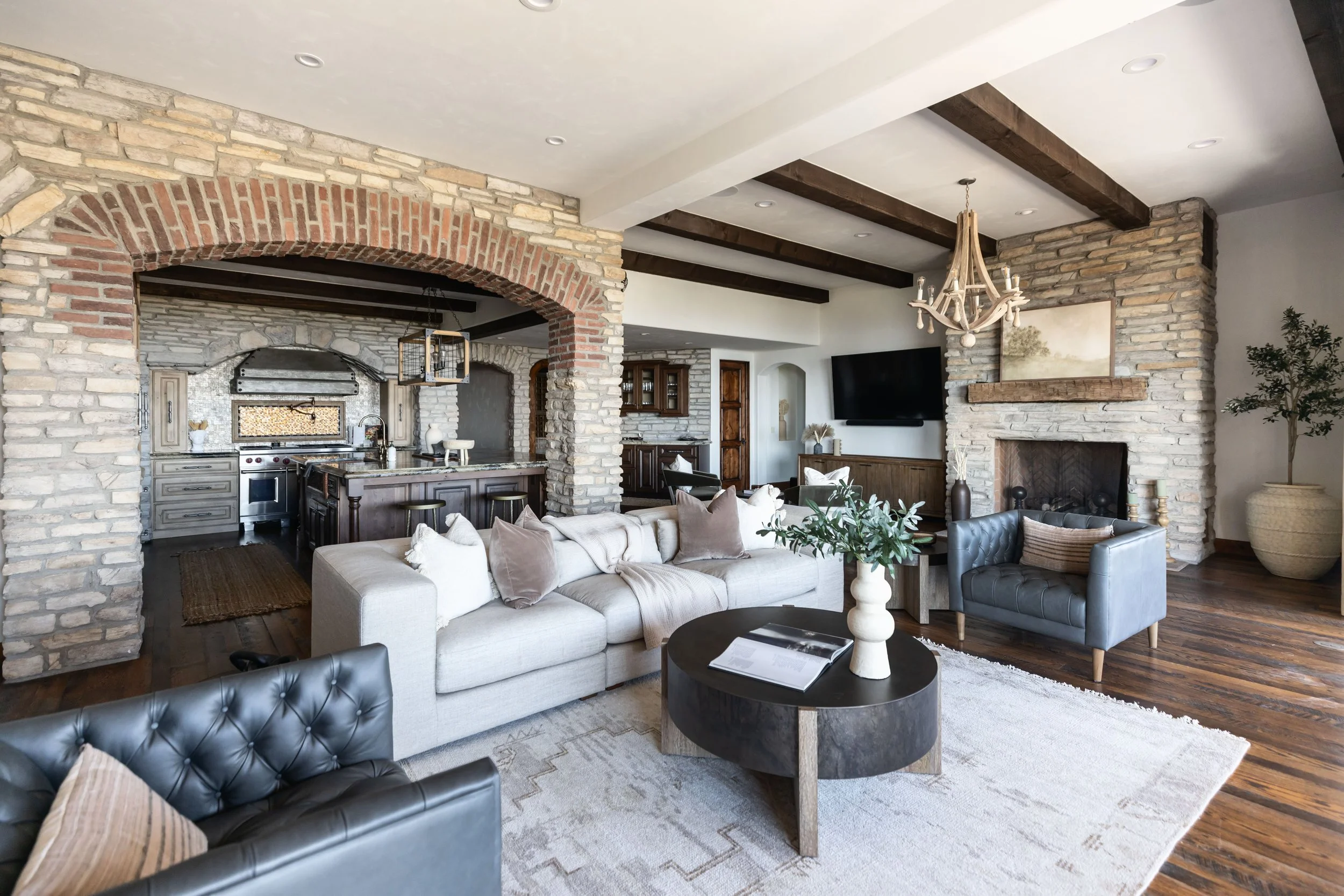
If you've been researching Scottsdale as a short-term rental market, you've probably noticed that every article tells you the same thing: Scottsdale is great for Airbnb. Strong tourism, year-round demand, high ADR.
That's true. But it's also incomplete — and incomplete information is how investors end up with properties that look good on paper and disappoint in practice.
The reality is that Scottsdale's STR market is hyperlocal. Location doesn't just affect your occupancy rate — it determines whether you're a serious player or a hobby landlord. The difference between a property that returns 8-10% annually and one that barely covers its mortgage often comes down to a few miles and a few decisions made before the offer was written.
I've been in the Arizona STR market for years — furnishing 100+ Airbnbs, helping scale a large property management company, and now operating 100+ units in Tulum through Jungle Luxe MX. This is what I actually tell investors when they ask me where to buy.
Two Neighborhoods That
Consistently Outperform
Old Town Scottsdale
Old Town is the gold standard for Scottsdale STR investing and it's not particularly close. Here's why:
Demand is year-round and genuinely diverse — corporate travelers during the week, leisure guests on weekends, spring training visitors in March, Barrett-Jackson auction attendees in January, and Waste Management Phoenix Open traffic in February. You're not dependent on a single demand driver the way some markets are.
Walkability matters more for STR performance than most investors realize. Guests who can walk to restaurants, bars, and entertainment stay longer, pay more, and leave better reviews. Old Town delivers that. A well-designed, well-positioned Old Town property at the right price point can achieve occupancy rates that would surprise most people running AirDNA projections from out of state.
The entry price reflects the demand — you're not finding deals here. But you're also not gambling on demand that may or may not materialize. Old Town is proven, durable, and deep.
The Cactus Corridor
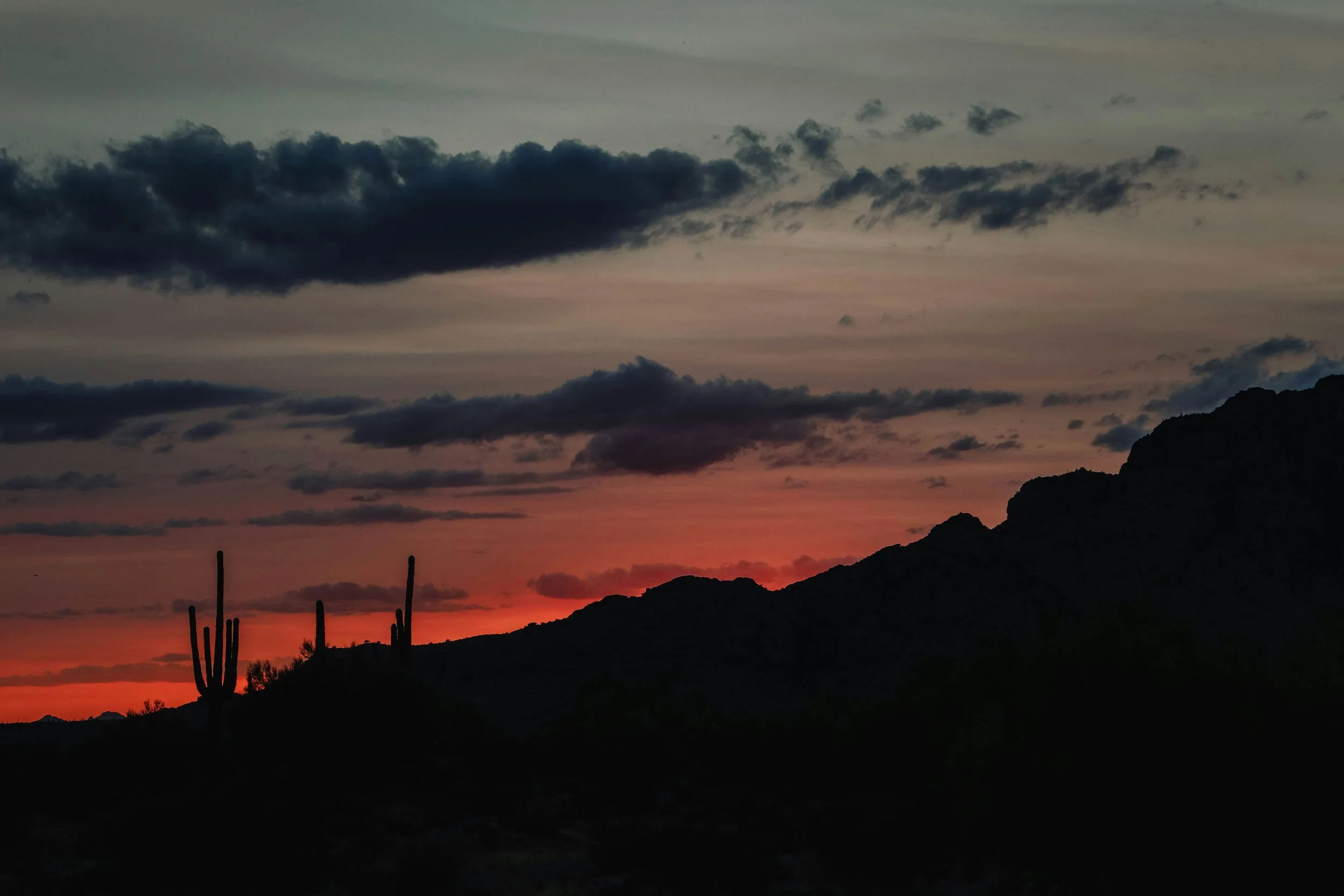
The Cactus Corridor — roughly the area around Cactus Road between Scottsdale Road and the 101 — is where sophisticated investors are paying attention right now. It sits in a sweet spot: close enough to Old Town to capture spillover demand, established enough to have real infrastructure, and still priced at a point where the math can work.
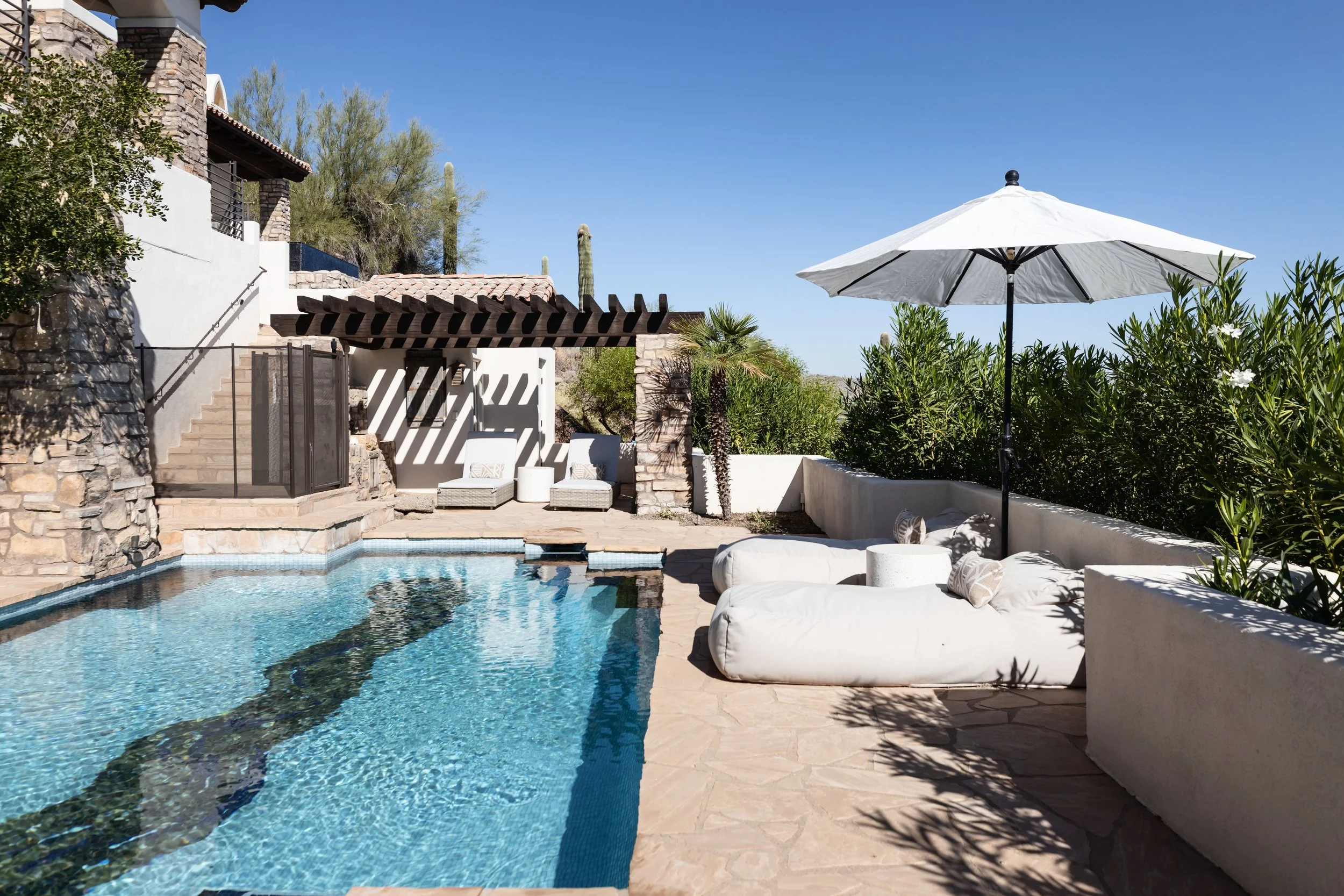
Properties here attract a slightly different guest profile than Old Town — families, groups, longer stays. If you're buying a larger property with a pool and a game room, the Cactus Corridor is worth a serious look. The ADR may be slightly lower than Old Town per night but the longer average stay and lower turnover costs can make the annual yield comparable or better.
It also has favorable STR zoning characteristics — but as always, HOA rules are property-specific and need to be verified before any offer is written.
The HONEST Truth About
Far North Scottsdale
This is where I lose some people — and where most agents stay quiet to avoid losing a deal.
Far north Scottsdale is beautiful. The homes are larger, newer, and often priced attractively relative to their square footage. The gated communities are pristine. For a primary residence or a second home, areas like north DC Ranch, Grayhawk, and the communities above the 101 make complete sense.
For STR investing? The math is harder than it looks.
The demand drivers that make Old Town and central Scottsdale perform — walkability, proximity to events, business travel demand, airport access — diminish significantly as you move north. Guests staying in far north Scottsdale are almost entirely leisure travelers, which means you're more exposed to seasonality. January through March is strong. July and August require aggressive pricing just to maintain occupancy.
The properties are also larger — which means higher furnishing costs, higher cleaning costs, higher maintenance costs, and a higher nightly rate requirement just to break even. That higher rate requirement means you're competing in a thinner segment of the market.
None of this means far north Scottsdale can't produce returns. It means the margin for error is smaller and the operator skill required is higher. For a first investment or a buyer who wants a performing asset without constant optimization, it's the wrong starting point.
Where Not to Buy(For STR):
The West Valley
I'll be direct here because I think investors deserve honesty more than they deserve a comfortable answer.
Areas like Glendale and much of the west valley are mistakes for serious STR investors.
The demand fundamentals aren't there. Tourism infrastructure, walkability, event proximity, and the brand recognition that drives premium booking rates — Scottsdale has all of these things. The west valley generally doesn't. You can find cheaper properties there, but cheap acquisition price and strong STR performance are not the same thing, and confusing them is how investors get into trouble.
There are exceptions — properties near specific venues or stadiums can perform during events. But event-dependent demand is volatile and not a foundation for a reliable investment strategy.
If your budget requires going to the west valley to make the numbers work, the honest advice is to wait, save more, and buy in the right location. Which brings me to the most important point in this post.
The Budget Reality:
Under $1M Is Difficult
This is the conversation most agents avoid because it ends deals. I'd rather have it upfront.
To be a serious player in the Scottsdale STR market — to own a property in a location that generates consistent demand, achieves strong ADR, and builds real equity — the realistic entry point in 2026 is $1M or above.
Under $1M in the neighborhoods that perform, you're looking at condos with potential HOA restrictions, smaller properties with lower rate ceilings, or compromises on location that affect demand. None of those are impossible investments — but they require more work, more operator skill, and more patience to produce the returns that make STR investing worth the complexity.
At $1M–$1.5M in Old Town or the Cactus Corridor, you're buying into genuine demand with real rate potential and a property that holds value. That's the foundation of an investment that actually performs.
If your budget is under $1M and you want STR exposure, Tulum is worth a serious look. Entry prices are lower, gross yields are higher, and the international vacation rental market there is genuinely strong. I manage 100+ units there through Jungle Luxe MX and the performance data is real. It's a different risk profile than a US property — but for the right investor it's a compelling alternative or complement to an Arizona purchase.
THE SUMMARY
Old Town Scottsdale Top performer — best for all investor types
Cactus Corridor Strong performer — best for groups, families, and longer stays
Central Scottsdale Solid — best for mid-range investors
Far North Scottsdale !!Proceed carefully — better as a lifestyle buy than a pure investment
West Valley / Glendale AVOID for STR — the demand fundamentals aren't there
Before You Buy Anything
Location is the most important variable — but it's not the only one. HOA rules, property layout, furnishing quality, listing positioning, and management all affect how a Scottsdale STR actually performs.
I specialize in helping investors get all of these right before they close — not after. If you're evaluating Scottsdale as an investment market and want a real conversation based on real data, not AirDNA projections and optimistic estimates, I'd like to talk.
Rachel Hugenschmidt is a licensed Arizona Realtor® and founder of Desert Design House. She has spent years in the Arizona STR market and currently manages 100+ short-term rental units in Tulum, Mexico through her company Jungle Luxe.
Rachel Hugenschmidt | Realtor® | Keller Williams Arizona Realty | Desert Design House
Disclaimer: The neighborhood assessments in this post reflect my personal experience and observations working in the Arizona STR market and are intended for informational purposes only. Past STR performance is not a guarantee of future results. Every property is unique and individual results will vary based on property type, management, pricing strategy, and market conditions. This post does not constitute financial or investment advice. Please consult with appropriate professionals before making any real estate investment decision. Rachel Hugenschmidt is a licensed Arizona Realtor® — license information available upon request.
